Trinity College Dublin Awards Posthumous Degree to Writer Christy Nolan
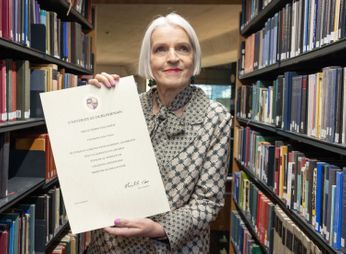
The University of Dublin’s old, ivy‑lined halls have long been a place where scholarship and creativity intertwine. In November, a fresh chapter was added to this storied narrative when Trinity College Dublin conferred a posthumous Bachelor of Arts degree on Christy Nolan, a writer whose work has resonated across Ireland and beyond.
Christy Nolan: A Life Shaped by Words and Determination
Nolan’s early years were defined by a fierce curiosity and a love for language. At just 15, he published his first poetry collection, Dam‑Burst of Dreams, proving that age and physical circumstances need not limit creative ambition. His subsequent memoir, Under the Eye of the Clock, and novel, The Banyan Tree, captured the nuance of Irish life through a lens that many found both intimate and universal.
Overcoming Physical Barriers
Christy faced significant mobility challenges due to a rare spinal condition. Despite these obstacles, he remained a regular presence on Trinity’s campus, taking advantage of the university’s evolving support systems. His experience highlights how inclusive environments can transform potential barriers into stepping stones for success.
Trinity College Dublin’s Recognition: A Posthumous Degree
On 27 November 2025, a small group gathered in Trinity’s historic Hall of the Abbey to honor Nolan’s legacy. The decision stemmed from a nomination by the Dean of the School of English, the Director of the DisAbility Service, and other faculty members who praised his contributions to literature and the Trinity community.
Celebrating Disability Inclusion
Christy’s degree was not just a tribute to his literary achievements; it served as a landmark moment for Trinity’s commitment to accessible education. In the same year, the university celebrated twenty‑five years of its DisAbility Service, showcasing a series of projects and exhibitions that highlighted the creativity of disabled students and staff. These initiatives underscored that recognizing talent goes beyond academic grading—it involves cultural acknowledgement and empowerment.
The DisAbility Service: Strengthening Support Structures
Over a quarter‑century, Trinity’s DisAbility Service has expanded its reach, offering resources such as individualized learning plans, assistive technology, and inclusive teaching practices. The service works closely with faculty to ensure that all coursework is accessible and that students receive accommodations tailored to their needs.
Universal Design and Accessibility
Trinity’s approach to accessibility is rooted in universal design principles. Classrooms are equipped with audio‑visual aids, lecture notes are available in multiple formats, and campus buildings feature ramps, tactile signage, and real‑time captioning for live events. This infrastructure supports students who use wheelchairs, have visual impairments, or process information differently.
Success Stories and Continuing Impact
Beyond honoring Nolan, Trinity has launched a scholarship program that gives priority to applicants with documented disabilities. Additionally, the university partners with national organizations to provide outreach, mentorship, and networking opportunities for disabled students looking to enter literature, journalism, or the arts.
How Trinity Supports Disabled Students Today
Trinity’s commitment to inclusivity manifests in several practical initiatives:
- Accessible Learning Materials: All course content is uploaded in formats compatible with screen readers and other assistive technologies.
- Flexible Assessment Options: Students can request alternative assessment formats—such as oral examinations or extended time—without compromising academic rigour.
- Peer Support Networks: Disabled students can join peer‑mentoring groups that foster community and share coping strategies for navigating campus life.
Engaging the Broader Community
Trinity’s inclusion efforts extend beyond enrolled students. Faculty members undergo regular training on inclusive teaching methods, ensuring that classroom dynamics respect diverse learning styles. The university also hosts public lectures and literature festivals featuring authors with disabilities, thereby normalising diverse narratives in the cultural sphere.
Take Action: How You Can Get Involved
Trinity College Dublin invites all stakeholders—students, alumni, writers, and educators—to participate in shaping an inclusive academic landscape. Here are concrete ways to contribute:
- Apply to Trinity: If you are a prospective student with a disability, explore admissions options and support services to find the program that suits you.
- Donate to the DisAbility Service Fund: Your contribution helps expand assistive technology and outreach programs. Learn more at Trinity’s donation portal.
- Mentor a Student: Offer guidance to current disabled students in literature or related majors by volunteering through the university’s mentorship portal.
- Share Your Story: Write an essay or blog post about your experiences as a disabled learner or creator, and submit it to Trinity’s annual literary competition.
- Attend an Event: Join public talks or exhibitions that showcase the works of disabled authors. Check the university’s events calendar at TCD events page.
Christy Nolan’s posthumous degree is more than an honorary distinction; it is a reminder that talent thrives when institutions provide equitable access and recognition. Trinity College Dublin’s ongoing work with disability services exemplifies how universities can merge academic excellence with compassionate inclusivity. Whether you are a student, educator, or community member, your involvement helps sustain this vital legacy.