University College Cork Leads Global Coalition for Ukrainian Studies
Why the Global Coalition Matters for Ukrainian Studies
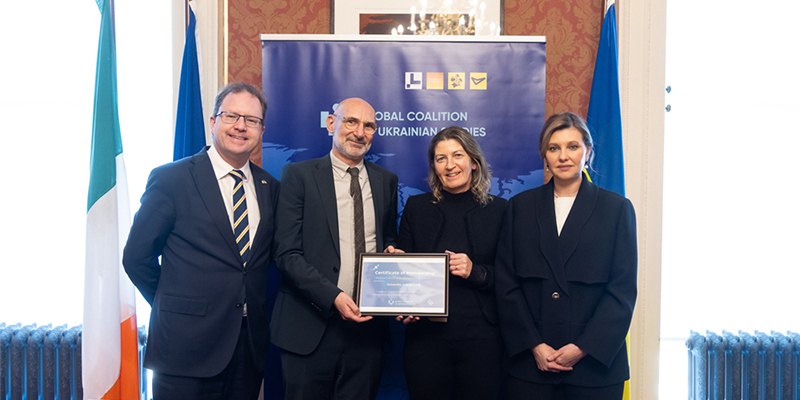
University College Cork (UCC) has taken a decisive step by joining the Global Coalition for Ukrainian Studies, a network of more than 40 institutions dedicated to embedding Ukrainian history, politics, society, language, and culture into research agendas and teaching programmes. This move signals a broader commitment to academic excellence, partnership, and impact—values that resonate across Ireland’s higher‑education landscape.
Strengthening Academic Networks
By aligning with the coalition, UCC gains access to a vibrant community of scholars, research centres, and policy experts. The collaboration facilitates joint publications, shared datasets, and cross‑institutional conferences that elevate the visibility of Ukrainian studies on the world stage. For students, this translates into enriched course offerings and opportunities to engage with leading researchers.
Supporting Scholars in Crisis
Ukraine’s ongoing conflict has displaced many academics and disrupted research projects. UCC’s participation in the coalition is part of a broader strategy to provide safe havens for Ukrainian scholars. Initiatives such as the Sanctuary Fellowship scheme—already securing nine post‑doctoral positions for displaced researchers—demonstrate UCC’s tangible commitment to academic continuity and resilience.
Embedding Ukrainian Studies into UCC’s Curriculum
UCC’s School of History and Department of Government and Politics are spearheading curriculum reforms that weave Ukrainian perspectives into core modules. This approach not only diversifies the learning experience but also promotes critical thinking about global power dynamics, migration, and cultural identity.
Course Development Highlights
- History of Eastern Europe: A new module that examines Ukraine’s role in the broader regional context, drawing on primary sources and contemporary analyses.
- Comparative Politics: Case studies on Ukraine’s democratic transition and its implications for European governance.
- Language and Culture: Introductory Ukrainian language courses paired with cultural immersion projects.
These courses are designed to be accessible to both undergraduate and postgraduate students, ensuring that Ukrainian studies become a staple of UCC’s academic portfolio.
Research Impact and Funding Opportunities
UCC’s engagement with the coalition opens doors to new funding streams from European Research Council (ERC), Irish Research Council (IRC), and international partners such as the British Library and the Keston Institute. Recent projects funded under these bodies have explored topics ranging from endangered heritage sites in Ukraine to the socio‑economic effects of migration.
Case Study: Dr. Tatiana Vagramenko’s Award
Dr. Vagramenko’s work on endangered religious heritage in Ukraine earned her the Future for Religious Heritage Award. Her research, supported by UCC’s strategic priorities, showcases how focused scholarship can influence preservation policies and raise global awareness.
Decolonising Ukrainian Studies: A Shared Vision
First Lady of Ukraine Olena Zelenska highlighted the coalition’s role in decolonising Ukrainian studies. By foregrounding Ukrainian voices and experiences, the partnership challenges Euro‑centric narratives and promotes a more balanced understanding of Eastern European history.
Benefits for Irish and European Academia
Embedding Ukrainian perspectives enriches Irish academia by fostering cross‑cultural dialogue and enhancing research diversity. It also strengthens Ireland’s position as a hub for interdisciplinary studies that address contemporary geopolitical challenges.
How Students and Faculty Can Get Involved
UCC offers multiple pathways for engagement:
- Enroll in newly launched Ukrainian studies courses.
- Apply for research assistantships in projects funded by the coalition.
- Participate in exchange programmes with partner institutions.
- Attend seminars and workshops hosted by the coalition’s network.
These opportunities not only broaden academic horizons but also build skills that are highly valued in global job markets.
Future Directions and Strategic Goals
Looking ahead, UCC plans to:
- Expand the number of Ukrainian‑focused research centres.
- Increase funding for post‑doctoral fellowships supporting Ukrainian scholars.
- Develop digital archives that preserve Ukrainian cultural heritage.
- Strengthen partnerships with European universities to co‑host conferences and symposia.
These initiatives align with UCC’s long‑term vision of fostering inclusive, globally relevant education.
Take the Next Step in Your Academic Journey
Whether you are a prospective student, a current scholar, or an academic partner, UCC’s commitment to Ukrainian studies offers a wealth of opportunities. Explore our related articles for further reading, and consider how you can contribute to this dynamic field.
Submit your application today to join UCC’s vibrant academic community and be part of a transformative movement in higher education.
Have questions? Write to us! We’re ready to discuss how you can engage with UCC’s Ukrainian studies initiatives.
Share your experiences in the comments below and connect with fellow scholars who are shaping the future of Ukrainian studies.